Author :Siaher Prosphyr
Lemons Are Actually a Hybrid Fruit: Why This Bright Citrus Deserves a Place in Your Kitchen
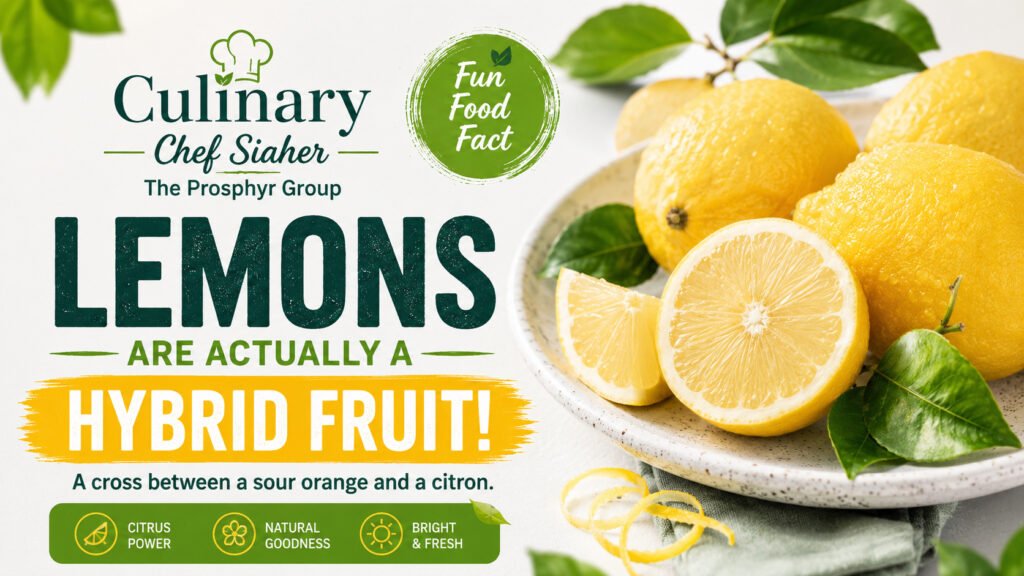
Lemons feel so familiar that most of us never stop to ask where they came from. We squeeze them over fish, add them to tea, stir them into water, brighten soups with them, and use their zest to wake up baked goods. But one of the most interesting food facts about lemons is that they are not just a simple fruit growing on a tree. Lemons are a hybrid citrus fruit, commonly understood to come from citron and bitter orange, also called sour orange.
That makes lemons even more fascinating. They are a beautiful blend of sharpness, brightness, fragrance, and flavor. A lemon may look small, but in the kitchen, it can completely change a dish.
Why Lemons Are So Useful in Cooking
Lemons are one of the most powerful ingredients a cook can keep on hand because they do more than add sourness. They add balance. A little lemon juice can cut through richness, brighten heavy flavors, and make a dish taste more finished.
That is why lemon works so well with chicken, seafood, vegetables, sauces, salad dressings, rice, pasta, tea, desserts, and marinades. Britannica notes that lemon juice is widely used in pastries and desserts, and its distinctive flavor is also used to enhance poultry, fish, and vegetable dishes around the world.
Lemon is one of those ingredients that can make food taste cleaner, fresher, and more alive.
The Benefits of Eating Lemons
Lemons are best known for their vitamin C content. Vitamin C supports the immune system, helps the body maintain healthy skin, and plays a role in overall wellness. Cleveland Clinic lists citrus fruits, including lemons, as foods that are rich in vitamin C.
Lemons also contain citric acid, which gives them their tart flavor. Citric acid is one reason lemons are often connected with kidney stone prevention discussions. Cleveland Clinic explains that citric acid and vitamin C in lemons can change urine chemistry in a way that may help reduce certain kidney stone formation risks.
This does not mean lemons are a cure-all, but it does mean they are more than just decoration on a plate. They bring flavor and useful nutrients at the same time.
Lemon Water: Simple but Powerful
Lemon water has become popular for a reason. It is easy, affordable, and refreshing. Adding lemon to water can encourage people to drink more water throughout the day, especially if plain water feels boring.
Cleveland Clinic notes that lemon water may support digestion, increase vitamin C intake, and help build a better morning routine.
The biggest benefit may be consistency. When something simple helps you drink more water, cook more fresh meals, or start your morning with intention, that small habit can support a healthier lifestyle over time.
Lemon Juice vs. Lemon Zest
One of the biggest mistakes people make is only using the juice and throwing away the peel. Lemon juice is bright, tart, and acidic. Lemon zest is fragrant, colorful, and full of citrus oils.
USDA SNAP-Ed explains that lemon zest is the colorful outer layer of the citrus peel, and lemons are commonly used for their juice and zest to flavor dishes.
Use lemon juice when you want acidity. Use lemon zest when you want fragrance and citrus flavor without adding too much liquid or sourness.
Easy Ways to Use Lemons in Food
Lemons can be used in everyday cooking without making the meal complicated. Add lemon juice to marinades, salad dressings, sauces, dips, soups, roasted vegetables, or seafood. Add lemon zest to cakes, cookies, pancakes, pasta, rice, compound butter, or roasted chicken.
Try lemons with:
Garlic, parsley, rosemary, thyme, basil, ginger, honey, olive oil, black pepper, butter, salmon, shrimp, chicken, potatoes, asparagus, broccoli, rice, pasta, berries, tea, and sparkling water.
Lemon is also great for balancing sweet and savory foods. A squeeze of lemon can make a rich dish feel lighter, while lemon zest can make desserts taste fresher and more elegant.
A Simple Chef Tip
When a dish tastes flat, do not automatically add more salt. Try a small squeeze of lemon first. Acid can wake up flavor in a way salt cannot always do alone.
That is why chefs love citrus. It helps food taste complete.
Final Thoughts
Lemons may be small, but they are powerful. They are a hybrid citrus fruit with a bold flavor, a bright aroma, and a long history in kitchens around the world. They can support better hydration habits, add vitamin C, enhance sweet and savory recipes, and bring freshness to almost anything you cook.
The next time you slice a lemon, remember that you are holding more than a garnish. You are holding one of the kitchen’s most useful natural flavor boosters.
Food does not always need to be expensive or complicated to be beautiful. Sometimes all a dish needs is a little brightness.
About the Author Chef Siaher Prosphyr is the culinary creative behind The Prosphyr Group, bringing together a love for cooking, natural wellness, flavor, and everyday nourishment. With a culinary background and a passion for herbs, spices, fruits, vegetables, and soulful home cooking, Siaher creates food content that is both beautiful and practical.
Her recipes and food articles are designed to help readers understand not only how to cook, but also why certain ingredients matter. From comforting meals to fresh produce facts, kitchen tips, and wellness-inspired flavor pairings, her goal is to make food feel approachable, meaningful, and full of life.
Through her culinary work, Chef Siaher celebrates simple ingredients, creative cooking, and the power of preparing meals with care, intention, and joy.

Chef Siaher Prosphyr is the culinary creative behind The Prosphyr Group, bringing together a love for cooking, natural wellness, flavor, and everyday nourishment. With a culinary background and a passion for herbs, spices, fruits, vegetables, and soulful home cooking, Siaher creates food content that is both beautiful and practical.