Author: Siaher Prosphyr
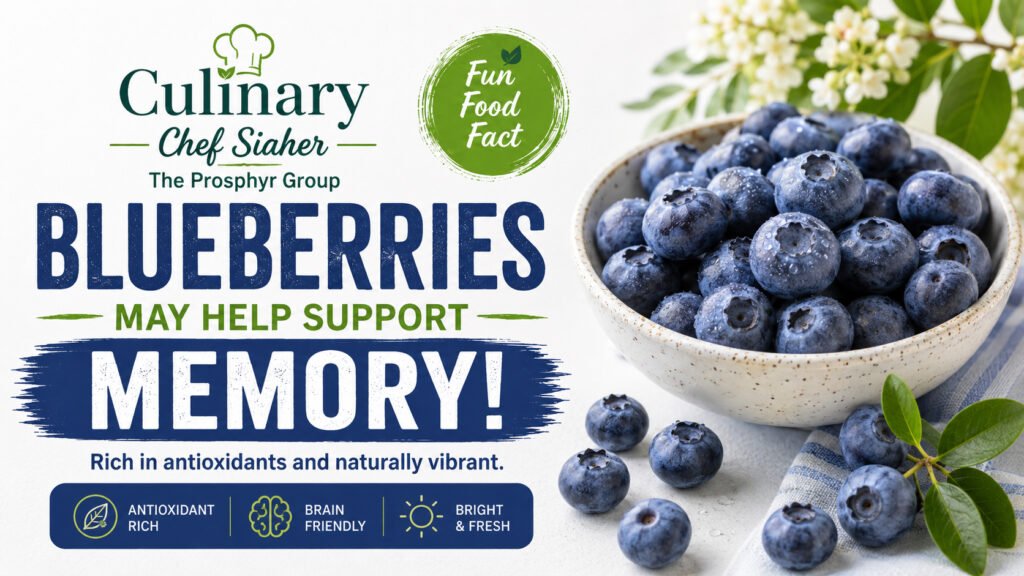
Blueberries May Help Support Memory: Why This Tiny Fruit Deserves a Bigger Place in Your Kitchen
Blueberries may be small, but they carry a powerful reputation. They are colorful, naturally sweet, easy to eat, and packed with plant compounds that have made them one of the most talked-about fruits when it comes to brain health, aging, and overall wellness.
One of the most popular food facts about blueberries is that they may help support memory. While no single food can magically prevent memory loss, research has shown that blueberries contain compounds connected to antioxidant activity, anti-inflammatory support, and brain signaling. A USDA summary of blueberry research notes that blueberry compounds may affect brain cell health through antioxidant, anti-inflammatory, and brain-signaling mechanisms.
That makes blueberries more than just a topping for pancakes. They are a beautiful example of how everyday foods can be both delicious and functional.
Why Blueberries Are So Special
Blueberries belong to a group of deeply colored fruits that are rich in natural plant pigments. Their deep blue-purple color comes from compounds called anthocyanins, which are part of the flavonoid family. These compounds are one reason blueberries are often connected with antioxidant benefits and healthy aging.
A 2024 review published through the National Library of Medicine explains that blueberry consumption has been studied for its potential to support aspects of cognitive performance, especially in aging and cognitive impairment contexts.
That does not mean blueberries are a cure. It means they are a smart, nutrient-rich fruit that may support the body as part of a consistent, balanced lifestyle.
Blueberries and Memory Support
Blueberries have been studied for their possible connection to memory and brain function. One study involving older adults with early memory changes found that wild blueberry juice supplementation over 12 weeks improved memory function.
The USDA also summarizes research suggesting that blueberries may be beneficial in maintaining memory function and slowing cognitive decline, especially in older adults and aging-related studies.
This is why “blueberries may help support memory” is a stronger and more accurate way to say it than claiming they prevent memory loss. The power is in regular nourishment, not miracle promises.
Blueberries Are Rich in Antioxidants
Antioxidants help protect the body from oxidative stress. Oxidative stress can happen when the body has too many unstable molecules called free radicals and not enough antioxidant support to help balance them.
Blueberries are often praised because they are naturally rich in antioxidant compounds. Their dark color is not just pretty — it is part of what makes them nutritionally interesting.
Adding antioxidant-rich foods like blueberries to your meals is a simple way to bring more color and variety to your diet. And the best part is, they do not require much preparation.
Why Blueberries Are Great for Everyday Eating
Blueberries are one of the easiest fruits to add to daily meals. You do not have to peel them, chop them, cook them, or do anything complicated. You can rinse them and eat them as they are.
They work beautifully in sweet and savory dishes, and they pair well with both simple breakfasts and elegant desserts.
Try blueberries in:
Smoothies, oatmeal, yogurt bowls, pancakes, waffles, muffins, fruit salads, chia pudding, parfaits, lemonade, iced tea, sauces, salads, and baked desserts.
They are also beautiful for food photography, which makes them perfect for recipe posts, website articles, cooking content, and clean lifestyle visuals.
Blueberries in the Kitchen
From a culinary perspective, blueberries bring sweetness, color, and freshness. When cooked, they soften and release a deep purple-blue juice that can turn into sauces, compotes, syrups, or fillings.
Fresh blueberries are bright and juicy. Frozen blueberries are affordable, convenient, and great for smoothies, baking, and sauces. Dried blueberries can be added to trail mixes, granola, oatmeal, and snack boxes.
For a simple chef-style upgrade, warm blueberries in a small pan with a splash of lemon juice and a little honey or maple syrup. Let them soften until they turn glossy. Spoon them over pancakes, French toast, oatmeal, yogurt, or pound cake.
That one small step can make an everyday dish feel special.
Flavor Pairings for Blueberries
Blueberries pair beautifully with:
Lemon, vanilla, cinnamon, honey, maple syrup, ginger, mint, basil, yogurt, cream cheese, almonds, walnuts, oats, coconut, dark chocolate, banana, peaches, strawberries, and lavender.
Lemon is one of the best pairings because it brightens the flavor of blueberries and helps balance their natural sweetness. That is why blueberry lemon muffins, blueberry lemonade, and lemon-blueberry pancakes are so popular.
Simple Ways to Eat More Blueberries
You do not need a complicated wellness routine to benefit from blueberries. Start small.
Add a handful to breakfast. Blend them into a smoothie. Keep frozen blueberries in the freezer. Add them to water or tea for a pretty fruit-infused drink. Sprinkle them over a salad with nuts and a light dressing. Use them as a natural sweet bite when you want something refreshing.
The goal is not perfection. The goal is consistency.
Small nourishing foods, repeated often, can help build a better relationship with eating.
Final Thoughts
Blueberries are tiny, but they are powerful. They are naturally colorful, rich in antioxidant compounds, easy to use, and connected to research around memory and brain health support.
They will not do all the work by themselves, but they can absolutely be part of a lifestyle that supports better nourishment, brighter meals, and healthier habits.
The next time you add blueberries to your plate, remember that you are not just adding sweetness. You are adding color, antioxidants, freshness, and one of nature’s most beautiful little brain-friendly fruits.
Food does not have to be complicated to be meaningful. Sometimes the smallest ingredients bring the biggest value.
About the Author : Chef Siaher Prosphyr is the culinary creative behind The Prosphyr Group, bringing together a love for cooking, natural wellness, flavor, and everyday nourishment. With a culinary background and a passion for herbs, spices, fruits, vegetables, and soulful home cooking, Siaher creates food content that is both beautiful and practical.
Her recipes and food articles are designed to help readers understand not only how to cook, but also why certain ingredients matter. From comforting meals to fresh produce facts, kitchen tips, and wellness-inspired flavor pairings, her goal is to make food feel approachable, meaningful, and full of life.
Through her culinary work, Chef Siaher celebrates simple ingredients, creative cooking, and the power of preparing meals with care, intention, and joy.

Chef Siaher Prosphyr is the culinary creative behind The Prosphyr Group, bringing together a love for cooking, natural wellness, flavor, and everyday nourishment. With a culinary background and a passion for herbs, spices, fruits, vegetables, and soulful home cooking, Siaher creates food content that is both beautiful and practical.